Whispers in the Static
- Mar 12, 2024
- 2 min read
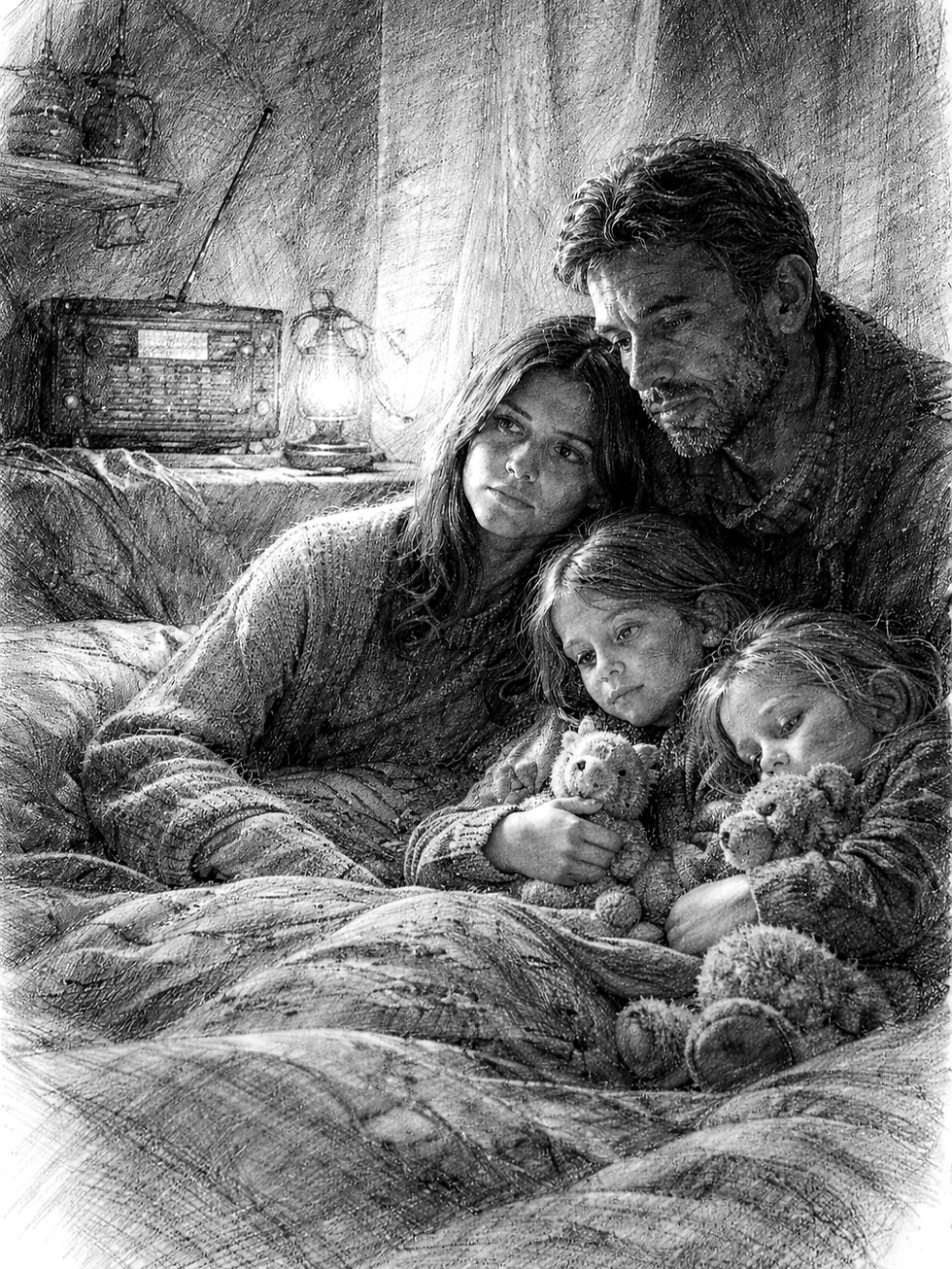
Evenings fell into darkness.
Our leader's ambitious economic plan had cut everything off—electricity flickering out by seven, food rations shrinking to whispers, and freedom becoming a fairy tale rationed like coal.
My father spun stories to speed our sleep, his voice the only light in that single heated room where we three sisters huddled against the winter's chill. Each of us longed for something different: I, the oldest, yearned for adventures tinged with reality's grit; my sister, a few years younger, dreamed of princesses and gossamer fairies; the youngest, barely lisping words, cooed about wild animals in untamed forests, living in impossible peace. Father's creativity was a quiet magic—he wove our desires into one thread, and we'd drift off, safe and sound. Or so it seemed.
Then came the true fairy tale: a whisper from our bulky radio, jury-rigged on batteries, tuned to Voice of America’s banned frequency. Most of the time, it turned into a shrill whistle, the regime's jamming signal mocking us like a dictator's laugh. The rest? Quiet voices sneaking truths across the Iron Curtain, stories of markets overflowing with goods. I would fake sleep, body stiff, not daring to move.
I knew the golden years our schools glorified were lies, propaganda hiding the dictatorship's stranglehold. Fear? I wasn't really afraid—just follow the rules, and the shadows stay at bay. My generation soaked in it, persecution stories blending into myth, as wild as Father's wolves. Hunger gnawed at daily life, and cold seeped into bones like an old habit. I was born blindfolded, taught to see darkness as enlightenment.
But those whispers sparked a quiet restlessness in my teenage years. How does freedom really feel—not this normalized cage we mistook for normal? What if markets were filled with food, not empty shelves and lines for cheaper bread? Is there more than one kind of chocolate, more than one flavor of biscuit? Freedom came with the chaos of the '89 revolution, but it was a cruel joke: hyperinflation swallowed savings, and catalogs taunted Western luxuries we couldn't touch. We were poor, saving money for worse days, our parents' minds scrambled by prices that doubled overnight. Father still queued at dawn just to feed us.
So I emigrated, the only way to taste that elusive promise.
I learned quickly how to live quietly. How to keep my head down, my work clean, and my gratitude visible. How to tune myself.
Now, the noise is different. No whistles, no crackling—just smooth voices everywhere, saying the same things at once.
I recognize the sound. I’ve heard it before.
At night, I still listen for something underneath; some unevenness, some human breath slipping through the signal. Mostly, there is only silence.
I lie still, as I did then, afraid not of punishment, but of missing the moment when a real voice breaks through.